
Coverage of Less-Lethal Weapons Training for the Monterrey and San Nicolás Police
April 2, 2026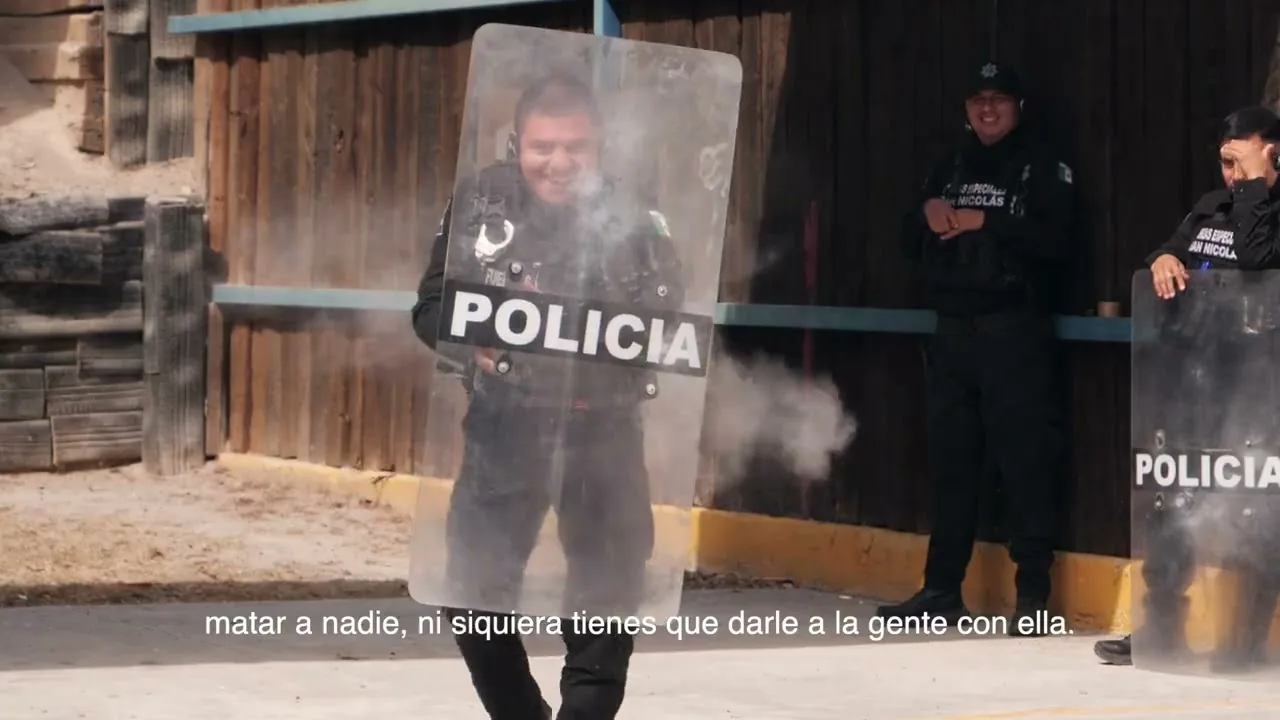
Ongoing training and the development of operational skills are the guiding pillars for ensuring the proportional, ethical and legally grounded use of the State's instruments of coercion. In today's sociopolitical context, marked by constantly evolving public-order dynamics and urban conflict scenarios, the level of institutional demand placed on public security agencies has risen to unprecedented levels. Grounded in this imperative, RGM Advanced has carried out a thorough logistical and instructional deployment across the state of Nuevo León. The main goal of this initiative is to optimize and standardize the tactical and operational doctrines of law enforcement across the region.
The specialized training program on deploying less-lethal technologies was built on a cross-cutting curriculum. Its scope included both cadets in initial training, whose goal is to build a solid ethical and institutional foundation, and active-duty officers, who need rigorous technical updates as new technologies are added to standard police equipment.
To maximize operational impact and ensure geographic reach, the training sessions were decentralized and held in person at a number of academies and strategic facilities belonging to the State's various security agencies. This on-site approach allowed a practical adaptation of the simulation models, aligning the training environments with the real topographic and demographic conditions in which officers carry out their duties.
Explore our less-lethal weapons: rgmadvanced.com/en/less-lethal-weapons
World-Class Faculty and Standards: Transferring Operational Intelligence
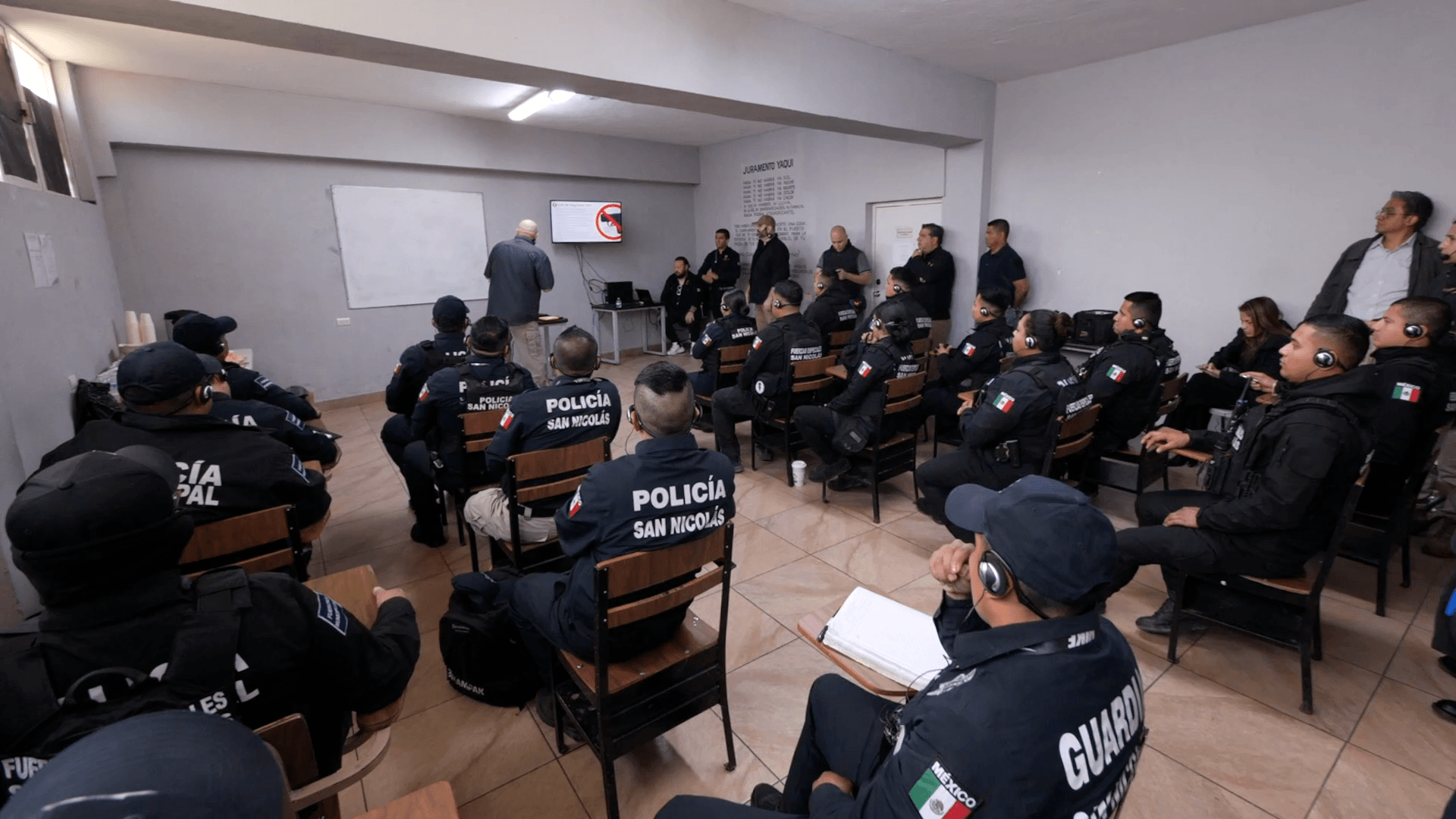
To ensure academic excellence and the transfer of globally standardized methodologies, the faculty was selected under strict tactical-competence criteria. The team of instructors was made up of top-tier specialists, including:
- Internationally certified tactical instructors from the United States of America.
- Former law enforcement officers with documented records in resolving critical, high-risk incidents.
- Former operators and specialists from special weapons and tactics units (SWAT teams).
The instruction from these experts went beyond theory, drawing on the transfer of real-world operational intelligence. Through in-depth case studies, breakdowns of real interventions and individualized technical and tactical feedback, the course created a highly immersive learning environment. The methodology prioritized stress inoculation, training officers to keep analytical composure, tactical focus and procedural rigor under severe physiological and psychological stress.
More information on less-lethal weapons: rgmadvanced.com/en/less-lethal-weapons
Curriculum and Methodology: From Doctrinal Foundations to Tactical Execution
To ensure undeniable technical mastery and reduce the likelihood of incidents caused by procedural errors during field interventions, the program was structured in two complementary, sequential phases:
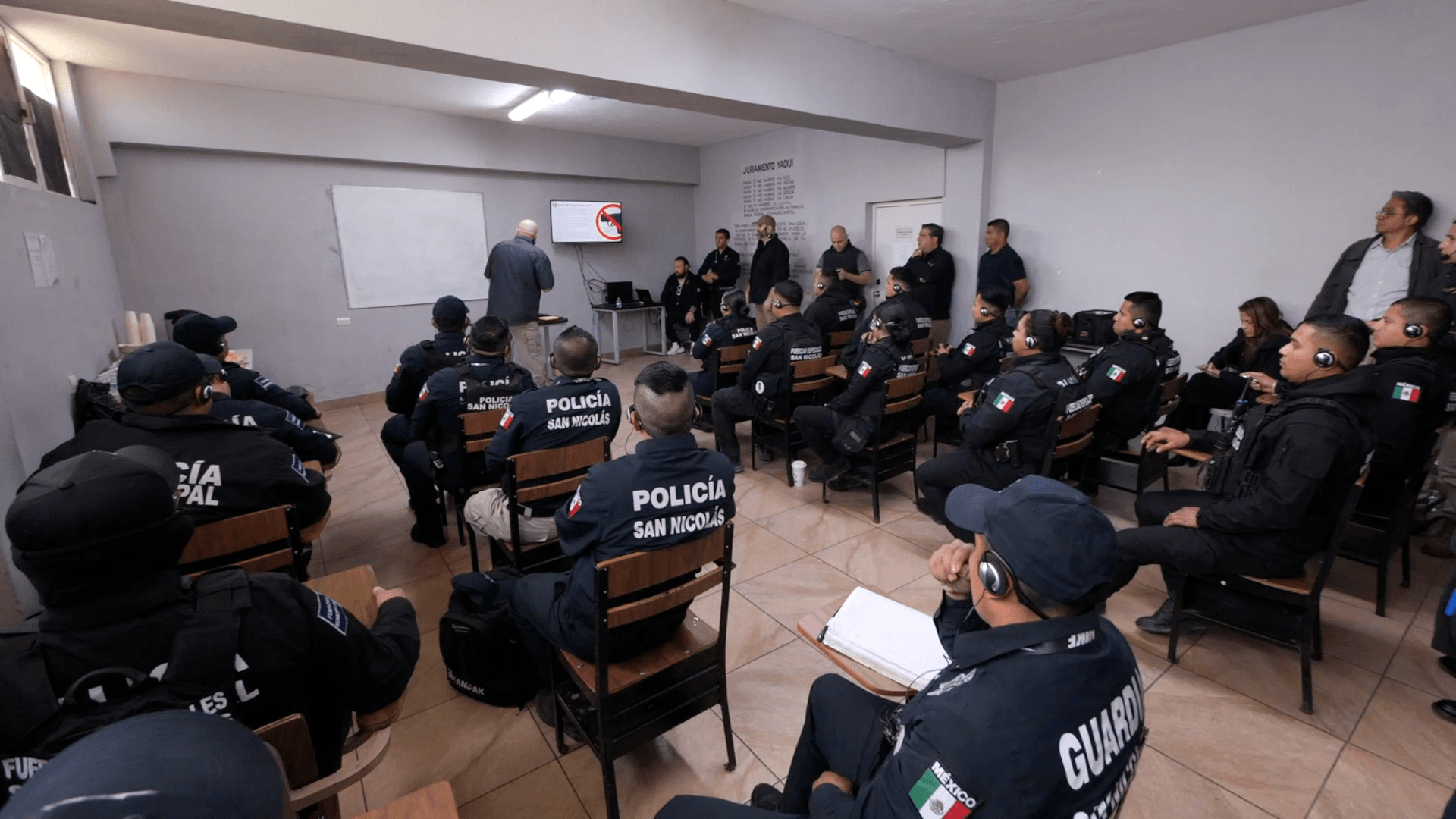
1. Theory Phase: Cognitive Analysis and Regulatory Framework
This stage consisted of a doctrinal and procedural analysis focused on cognitive decision-making processes, the application of legal and police judgment, and unrestricted respect for human-rights doctrine. The topics covered in detail included:
- Biomechanical and technical principles: Thorough evaluation of the ballistic specifications, kinematics and operational limits of each less-lethal platform.
- Regulatory frameworks and protocols: Instruction on properly integrating these tools into daily duty, ensuring the legal traceability of every intervention in strict compliance with current national and international regulations.
- Scenario profiling and threat assessment: Analytical training to determine in a split second whether containment tools can be used, applying the criteria of proportionality, consistency and reasonableness, and always prioritizing the preservation of human life.
2. Practical Phase: Psychomotor Skills and Dynamic Simulations
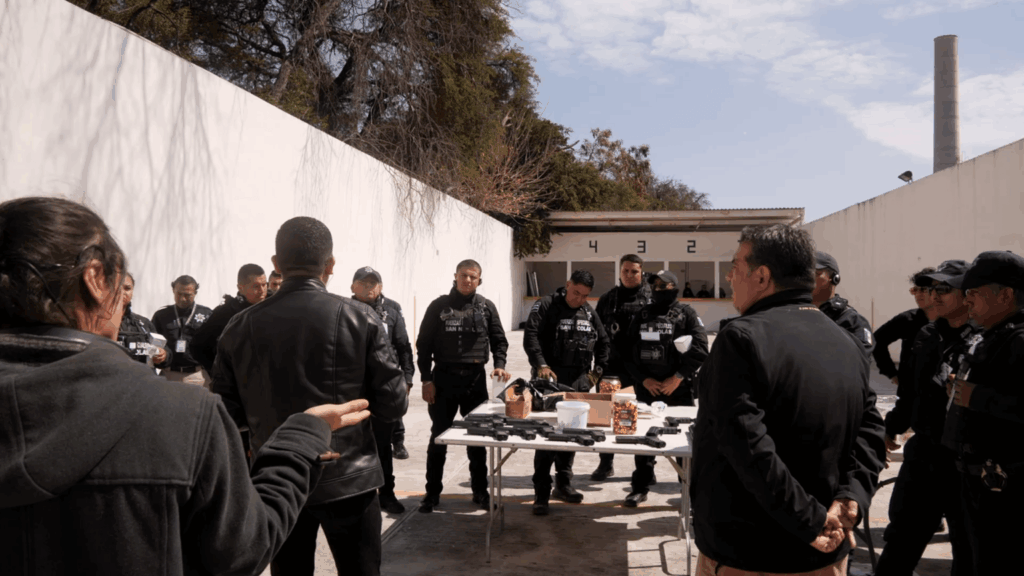
The second phase focused on developing muscle memory and psychomotor skills under induced-stress simulations. During this practical stage on the training range, officers completed drills that required:
- Tactical handling of the devices, optimizing the quick draw, visual target acquisition and a smooth transition between lethal weapons and intermediate-force equipment.
- Performing tactical reloads and identifying the different rounds available by sight and touch.
- Understanding the platforms' engineering to immediately clear stoppages, jams or mechanical failures under time pressure.
- Hands-on verification of terminal ballistics, evaluating spread, optimal operating distance and the equipment's kinetics on static and moving targets.
Qualitative Evaluation and Legal Certainty in Field Operations
During the program's operational audit and evaluation, qualitative feedback was collected from the trained personnel. Field reports show a substantial increase in institutional confidence in the use of these platforms. The summary of the evaluations indicates the following:
- Ergonomic Integration: The platforms have predictable kinematics and ergonomics that make them easy to add to standard-issue equipment, significantly improving response times to imminent aggression.
- Tactical Versatility: The devices show high operational viability for crowd control and for mitigating public disturbances. The availability of a range of rounds, including both kinetic-impact loads and irritant chemical agents, allows tactical escalation strictly in line with the resistance offered by offenders.
- Compliance with the Gradual Use of Force: Adopting these technologies represents a substantial step forward in complying with the principle of progressive use of force.
Officers also stressed the importance of the legal certainty this training provides. With official, documented certifications in the use of intermediate-force alternatives, officers' legal exposure to possible internal investigations or court proceedings arising from their actions is significantly reduced, ensuring that their conduct is backed by proven, endorsed methodologies.
more information on less-lethal weapons
Systemic Implications and the De-escalation Paradigm
Implementing this highly specialized training program creates positive effects that go beyond the agencies themselves, benefiting society as a whole. It gives law enforcement agencies higher-order preventive and reactive capabilities to manage highly volatile scenarios, such as mass demonstrations, serious civil unrest or interventions with individuals experiencing acute psychological distress.
In those contexts, restoring order and neutralizing the threat are unavoidable imperatives that must be achieved while minimizing the likelihood of fatal outcomes as much as possible. Less-lethal containment technologies act as the critical, indispensable transition between verbal persuasion commands and the use of lethal force.
The combination of academically excellent training and cutting-edge technological equipment results in better situational control, clearly improved decision-making under stress and an objective increase in physical and legal safety. This progress protects both the integrity of law enforcement officers and that of the citizens who are the fundamental purpose of their protective work.
RGM Advanced, the power of security.